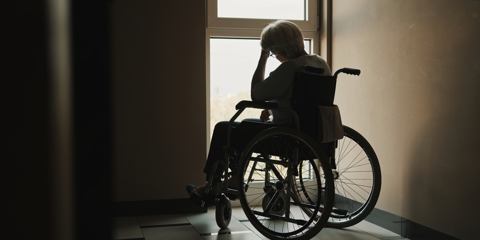


The elderly should be well cared for, but that is not always the case. Unfortunately, elder abuse is a common situation. Hundreds of thousands of adults over the age of 60 are abused and neglected every year.
When you think of elder abuse, you may think of abuse committed by nursing homes. However, anyone can be an abuser. The abuse can be by family members, friends, health care providers, and even strangers.
Common Types of Elder Abuse
Physical abuse. Involves hitting, pushing, restraining, force-feeding, or improper use of medications. Signs may include bruises, fractures, burns, or unexplained injuries.
Emotional or psychological abuse. Includes yelling, intimidation, humiliation, isolation, or threats. Victims may appear withdrawn, anxious, depressed, or fearful around certain caregivers.
Financial exploitation. Occurs when caregivers misuse money, steal valuables, forge checks, pressure seniors into signing documents, or manipulate financial accounts.
Neglect. Failure to provide proper food, hygiene, medication, medical care, or supervision. Signs include dehydration, malnutrition, poor hygiene, bedsores, and unsafe living conditions.
Sexual abuse. Any non-consensual sexual contact. Warning signs include genital injuries, torn clothing, infections, or sudden behavioral changes.
Warning Signs of Caregiver Abuse
Elder abuse by caregivers often goes unnoticed because many victims are afraid, physically unable, or emotionally unwilling to report mistreatment. Recognizing the warning signs early can help prevent serious harm, long-term trauma, and even death. These indicators may appear physically, emotionally, behaviorally, or financially.
Physical indicators are often the most visible signs of abuse, but may be explained away as accidents. Common signs include:
Unexplained bruises, cuts, welts, burns, or fractures.
Frequent trips to emergency rooms or urgent care facilities.
Injuries in various stages of healing.
Rope marks, wrist injuries, or signs of restraint.
Broken eyeglasses, dentures, or hearing aids.
Sudden weight loss, dehydration, or signs of malnutrition.
Pressure sores, infections, or untreated medical conditions.
Abuse does not always leave visible marks. Emotional trauma can significantly impact a senior’s mental health and well-being. Emotional and psychological warning signs include:
Sudden withdrawal from social activities.
Depression, anxiety, or mood swings.
Fearfulness, nervousness, or agitation.
Low self-esteem or expressions of worthlessness.
Reluctance to speak openly, especially around caregivers.
Sudden confusion or increased disorientation.
Changes in sleep patterns or appetite.
Behavioral changes often indicate that something is wrong, especially when they appear abruptly. Behavioral warning signs include:
Hesitation to speak in front of a caregiver.
Sudden isolation from family or friends.
Increased compliance or submissiveness.
Unusual passivity or helplessness.
Avoidance of eye contact.
Frequent cancellations of visits or appointments.
Caregiver insisting on being present during conversations.
Financial exploitation is one of the most common forms of elder abuse and often goes undetected for long periods. Financial warning signs include:
Unpaid bills despite adequate income.
Sudden changes in banking or spending patterns.
Missing money, valuables, or personal possessions.
Forged signatures or unauthorized withdrawals.
Unusual ATM activity.
Changes to wills, powers of attorney, or beneficiary designations.
Neglect occurs when caregivers fail to meet basic needs, which can be life-threatening. Signs of neglect include:
Poor hygiene or dirty clothing.
Unsanitary living conditions.
Lack of proper food, water, or medication.
Unsafe home environment.
Bedsores or untreated wounds.
Repeated medication errors.
Lack of assistive devices such as glasses, walkers, or hearing aids.
What to Do if You Suspect Elder Abuse
Taking prompt and appropriate action can protect vulnerable seniors from further harm. Here are the steps to take:
Ensure immediate safety. If the senior is in immediate danger or has life-threatening injuries, call 911 right away. Emergency responders can provide urgent medical care and remove the individual from unsafe environments.
Talk to the elder privately and compassionately. If it is safe to do so, speak with the elderly person in a calm, private setting without the caregiver present. Use gentle, nonjudgmental language to encourage honest communication. Let them know they are not to blame and that help is available. Many victims fear retaliation, abandonment, or institutionalization, so reassurance is critical.
Document your observations. Careful documentation helps authorities investigate abuse effectively while strengthening legal claims:
Take photos of visible injuries or unsafe living conditions.
Keep written records of suspicious behavior, dates, times, and locations.
Save financial statements, bank records, or suspicious transactions.
Preserve emails, text messages, or voicemails.
Write down exact statements made by the elder.
Report the abuse to the proper authorities. Reporting suspected elder abuse is essential. Many cases of elder abuse go unreported, allowing patterns of mistreatment to continue. Reporting not only protects one individual but also prevents harm to others in similar care situations. Many professionals, such as healthcare workers, caregivers, social workers, and facility staff, are legally required to report suspected elder abuse. They must make a phone report immediately and submit written documentation within two working days. Authorities are trained to investigate and protect vulnerable adults:
Adult Protective Services: Handles abuse reports for elders living at home or in community settings
Long-term care ombudsman: Investigates abuse in nursing homes and assisted living facilities
Local law enforcement: For criminal activity or immediate threats
State licensing agencies: For abuse involving healthcare professionals or care facilities
Seek medical evaluation. A thorough medical exam can identify hidden injuries, untreated conditions, dehydration, malnutrition, or medication errors. Medical documentation is also critical evidence if legal action becomes necessary.
Consult with an elder abuse attorney. An experienced elder abuse lawyer can explain legal rights, help preserve evidence, and pursue civil claims for medical expenses, emotional suffering, and financial losses. Legal action may also prevent further harm by holding abusive caregivers or facilities accountable.
Contact Newman Law Group Today
Elder abuse can be caused by anyone. Even a person’s family members and other loved ones can commit abuse.
Abuse can happen in many ways. The team at Newman Law Group, LLP, can assist you if you have concerns. Our Sacramento elder abuse attorneys can help stop the abuse and ensure your loved one’s safety. Schedule a consultation today by filling out the online form or calling (916) 352-3181.